Foundation installation in Post Falls ID - a base planned around your ground and budget

Building a new home and stuck choosing a basement, crawlspace or slab? We help you pick the right base, then build it.

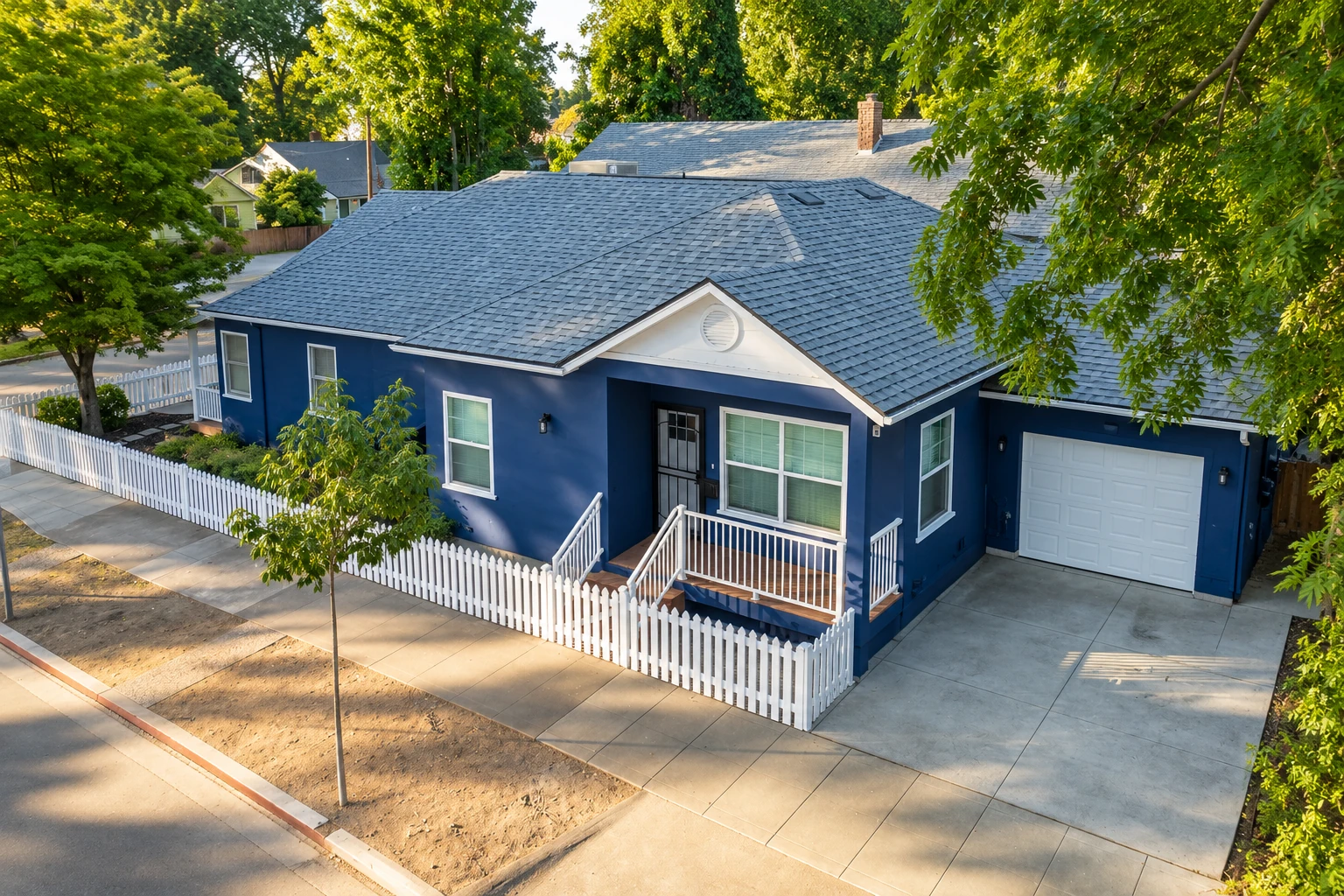
A concrete driveway and segmented sidewalk lead to a blue house and attached garage, bordered by a white picket fence.

What does foundation installation in Post Falls involve?

Foundation installation in Post Falls is building the base your house rests on. That can be a full basement wall, a shorter crawlspace wall or a slab-on-grade, often cast in place in concrete, and it's the part of the house that keeps everything above it square and dry.

You've got a lot and house plans, and the first big decision is how the house meets the ground. A full basement gives you the most room and takes the most digging and wall, a crawlspace uses a shorter wall, and a slab is the simplest. Price and schedule turn on that choice, on how deep we dig, on what the ground and water are doing, and on the weather at pour time. Your own number comes from the estimate once I've walked the lot.

Basement and crawlspace walls sit on concrete footings, the wider strip of concrete that spreads the house's weight into the ground, so we plan the two together. Before anything gets scheduled, we check with the building office for your address about permits and handle the applications for our part of the work. For business owners putting up a small building, the same planning carries over to concrete parking lot building out front.

What happens after you call us about a foundation?

  1. Call or send the form

    Reach us by phone or the form and we'll set up a time for me to come see the lot. If you've already got house plans or a builder, have those handy.

  2. I walk the lot with you

    I ask how you'll use the space and what's under the ground, and I like test pits dug inside the house footprint before the plan is final so the ground doesn't surprise anybody. Then I put together your estimate, with the trade-offs between a basement, crawlspace and slab laid out for your lot.

  3. We line up permits and inspections

    We check with the city's building office about permits and plan the pour around the weather and the ground. The city doesn't offer morning or afternoon inspection slots, so we have everything ready that morning, and on pour days we leave our pour time so the inspector can try to work around it.

  4. We pour and walk you through

    Our crew forms the walls or slab, pours and finishes, and I'm on site with them through the finish. When the forms come off, we clean up and walk you through what was built before the framers start.

How we build a dry, solid foundation in Post Falls

Keeping water out starts with knowing how wet the ground can get. Masonry industry guidance says building codes typically call for dampproofing, a coating that slows moisture through the wall, where the soil won't push water against it, and waterproofing, a tougher barrier, where it might. A high water table or heavy clay backfill that drains poorly can build that pressure, while gravelly backfill draining to a pipe system below usually only needs dampproofing.

A full basement means a deep hole, and general guidance says digs past about 5 feet usually need shoring, bracing that keeps the sides from caving in on the crew. It's a fair question for any contractor bidding a basement, because how they'll handle it says a lot about how they run a site.

What a foundation job can include:

  • Footings under the walls
  • Basement or crawlspace walls
  • Slab-on-grade foundations
  • Dampproofing or waterproofing

Fixing an old foundation or pouring new

If your house is already standing and the foundation has settled or cracked, pouring a new one usually isn't the first answer, because sometimes lifting and leveling what's there is the better fix, and that's what our foundation raising work covers. A new foundation makes sense for a new house, an addition or a wall too far gone to save. After I see it, I'll tell you which one I think you've got and why.

What shapes the cost of a foundation

Type matters most, because a full basement takes the most digging and concrete, a crawlspace less, and a slab the least. Then comes the ground, since rock or water near the surface changes how deep we dig and whether the walls need waterproofing instead of dampproofing. The size and shape of the house, room for the trucks and the season you pour all move it too. I'd trim the extras before I'd trim the base or the drains, because nobody sees those later and they're the costly part to fix.
How Post Falls Concrete treats your job

I taught myself concrete on my own projects, then learned the rest working beside crews who'd been at it for years, and I started this business in Post Falls in 2020. What we're known for is taking the time to explain a job before we pour it, well enough that you can ask good questions of us or of anybody else you're getting bids from.

I care most about the part nobody sees once the concrete is down, the ground underneath and where the water goes. We keep trucks where you want them, the mess contained and your builder in the loop, and when something isn't settled yet, I'll tell you I need to check on it instead of guessing.

Talk through your foundation before you build

Call with your lot address and house plans so we can settle basement, crawlspace or slab while the design can still change.

Get a free on-site foundation estimate

Send your lot address, the house you're planning and any water or rock you know about. We reply within one business day to set up my visit, and the estimate's free, no obligation.

(208) 981-9070

Foundation questions we hear in Post Falls

Is a crawlspace foundation cheaper than a full basement?

Usually, yes, because a crawlspace wall is shorter and uses less material than a full basement wall, so that part of the job costs less. General building guidance from outside Idaho also says sites with shallow bedrock or a high water table can be good candidates for a crawlspace. The trade-off is giving up basement room, which is worth talking through before your plans are final.

How deep does a foundation have to go in Post Falls?

The City of Post Falls design criteria list a frost line of 24 inches, and footings are usually set at or below that depth so freezing ground can't push them around. A national builder's guide says a frost-protected shallow foundation, which uses insulation to keep the ground around the house warmer, allows depths as shallow as 16 inches in almost all of the continental U.S. It fits best with a slab home on a gentle slope, and since I haven't seen where the city stands on it, it's one to raise at plan review.

Who issues foundation permits and does inspections in Post Falls?

The Post Falls Building Division handles plan review, issues building permits and inspects new construction in the city. They're the office we check with for a Post Falls address before we schedule anything.

How do I know a contractor is registered in Idaho?

Ask the contractor for proof of registration before you sign, because Idaho's licensing division says anyone taking on a construction job over $2000.00, materials and labor counted, has to register unless they're exempt. A contractor who skips that can't get a building permit, which leaves your job stuck. We're licensed and insured, and it's a fair thing to ask us too.

How do I keep a new basement from getting wet?

Start by asking where the drain pipes around the footings will empty, because they have to drain by gravity to daylight or run to a pump, and without a reliable outlet they can't protect the basement. After that it's the right coating for your ground, which I covered above, and we sort out both before the walls go up.

How long does foundation installation take in Post Falls?

The timeline turns mostly on the type you pick, and the same builder's guide says a slab-on-grade shallow foundation can go in with one placement of concrete, which speeds things up compared to a basement's deeper dig and taller walls. Weather, the ground and lining up inspections move it too, so your lot sets the pace more than anything.

Foundations in Post Falls and nearby cities

We're based in Post Falls and build foundations in the cities around it, from Coeur d'Alene to Spokane Valley. Pick your area below, or call if yours isn't listed.

Call (208) 981-9070